

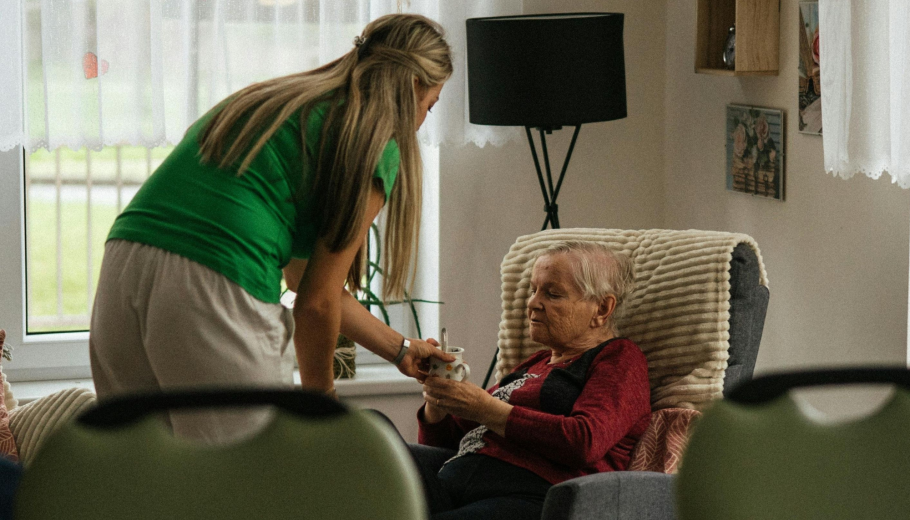


When a family contacts a home care service, they are often looking for something very specific: peace of mind. Knowing that the person they love will be well cared for, with continuity, professionalism, and humanity.
But behind that peace of mind lies a challenge that is not always visible: the people who provide the care.
An essential sector… and increasingly complex
The world of work is changing, and the care sector is changing with it. It is becoming increasingly difficult to find professionals who want to dedicate themselves to caring for people in situations of dependency—and even harder to ensure they stay.
It is not just a matter of vocation. Many factors come into play: working conditions, stability, recognition, work–life balance, a sense of purpose… Understanding all of this is key if we want to guarantee quality services in the long term.
Listening to understand (and improve)
A few weeks ago, from Suara’s Private SAD, the service management team and a direct care professional, Lluïsa, visited a class of the intermediate vocational program in Care for People in Situations of Dependency at Jesuïtes Sarrià – Sant Ignasi.
Beyond explaining who we are or what we do, the objective was different: to listen. To understand what motivates future professionals, what raises doubts for them, what they expect from the sector, and what they need in order to envision a future working in it.
These meetings are not just a way to create collaborations, internships, or job pools. Above all, they are a way to better understand how the sector is evolving and what we can do, as a service, to improve the attraction—and especially the retention—of talent.
The reality of private SAD, as it is
In these conversations, we also share the reality of the sector, without embellishment.
Improving labor agreements is very good news and a necessary step, but it also brings a significant challenge in terms of economic sustainability. Companies must absorb higher costs, which often means having to update prices.
And here a difficult tension emerges: when prices rise, some families cannot afford the service. The result is paradoxical—there is a greater need for care, but fewer people are able to access it.
Explaining this complexity is part of the sector’s responsibility.
Technology as an ally, not a replacement
Another topic that raises many questions is the use of technology in care. At Suara, we are committed to digital tools that help better organize services, improve communication, and support professionals—without replacing their work.
Technology should add value, not dehumanize. And listening to how future professionals experience it helps us apply it with judgment and purpose.
Vocation, necessity, and the future
Working in care can stem from vocation, necessity, or a combination of both. There is no single correct answer. But if we want a strong sector, we must create conditions that make people who enter it want to stay.
Because in the end, taking good care of the people we love is only possible if we also take care of the people who care for them.


