

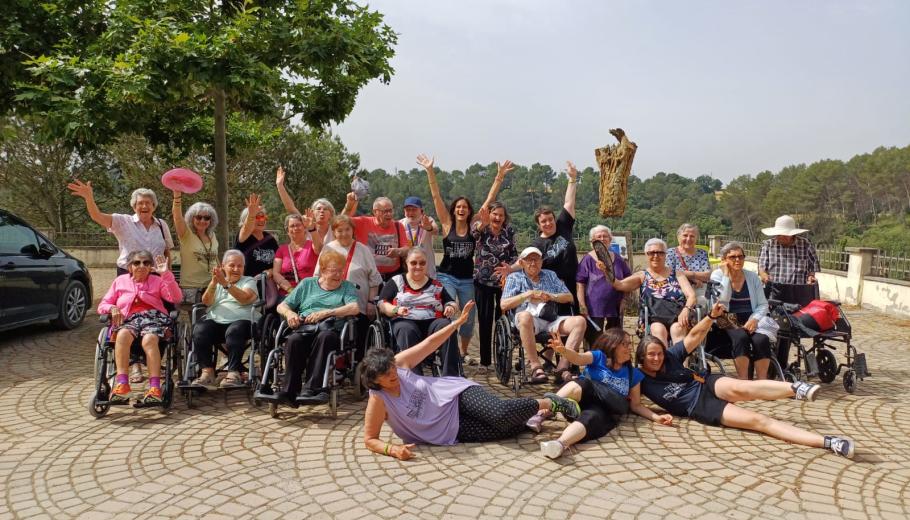


Deciding to move into a residential care home is often experienced as a last resort. However, from a care perspective, we observe that the real success of integration lies in not waiting until time runs out. Starting this stage with a certain level of well-being —both for the person and their family— makes the difference between a traumatic transition and a positive adaptation.
Objective signs for making an informed decision
To make a clear decision, it is important to pay attention to indicators that suggest home care support is reaching its limits:
- Compromised safety: Frequent falls or minor incidents at home.
- Progressive isolation: Loss of social connections and reduced cognitive stimulation.
- Caregiver burden: When the physical and emotional strain on the family prevents them from providing quality care.
- Clinical needs: Care requirements (physiotherapy, medication management, diet) that require constant professional supervision.
An analogy: choosing like selecting a nursery
It may be difficult to see it this way, but choosing a residential care home has strong parallels with the moment when parents look for the best nursery for their child. It is not about a lack of care, but about seeking:
- Specialisation: An environment designed for development and safety.
- Socialisation: A space to interact with others and not feel alone.
- Values: An institution aligned with our way of understanding care and respect.
As with children, we look for proximity, transparency and excellence in service. Ultimately, we are looking for someone we can trust with what matters most to us.
The risk of waiting too long: losing the window for integration
One of the most common mistakes is waiting until the situation reaches its limit. Scientific literature and our daily experience show that waiting for a crisis makes integration more difficult.
- For the resident: If the person moves in with very limited autonomy or advanced cognitive decline, they lose the opportunity to enjoy activities, build new relationships and make the new environment their own.
- For the family: Reaching a point of exhaustion often leads to a move driven by urgency and distress, rather than a supported and thoughtful transition.
A new family, without guilt
Moving into a residential care home is not a farewell, but a transformation of the relationship. The centre becomes an extension of the home —a “new family” of professionals who take care of the clinical side, allowing relatives to focus on what matters most: emotional connection.
When the decision is made in advance and with clarity, families can approach the process with peace of mind, becoming an active part of daily life in the centre and, together, building a better quality of life for those who need it most.
Susanna Villa - Director, Pla de Martís Day Care Centre


